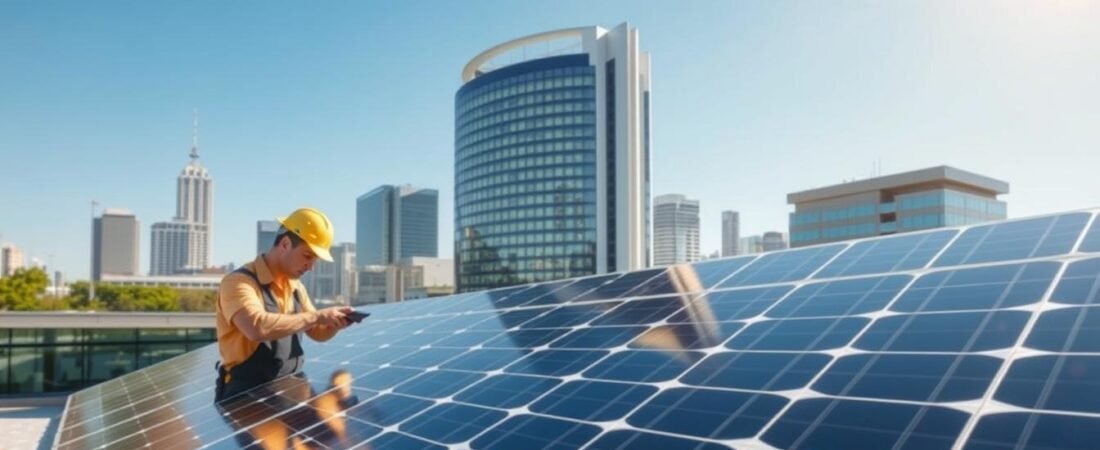
Finding a trusted provider is a key step for homeowners who want to cut monthly electric bills. Local options have grown fast, and residents now find more choices for high-quality panels and expert installation.
Good planning matters. Every system needs careful design to match roof angle and shade. That ensures the equipment works well and lasts for decades.
Choosing a reputable company means you invest in a long-term energy solution that can run for 25 years or more. Our guide makes it easier to compare installers and pick the best fit for your home.
Why Choosing the Right Solar Partner Matters
Picking the right installer sets the stage for decades of dependable energy at your home. The firm you hire affects system performance, ongoing service, and the real value you get from new panels.
A professional solar company knows a rooftop installation is a long-term commitment. They plan for maintenance and parts that must work for about 25 years. That promise matters when you depend on steady electricity.
Time saved is another benefit. Working with a proven company cuts the hassle of chasing contractors later. Reputable teams answer questions fast and schedule routine checks.
Finally, your energy independence rests on quality design, careful installation, and ongoing support. Choose a partner with local experience in san antonio and a clear track record. That ensures your system runs reliably and your home stays powered for years.
Top Rated Solar Panel Companies in San Antonio TX
Top-rated installers earn trust by combining strong warranties with clear, local support.
How we rank is simple: we weigh expert ratings, customer reviews, and the length and scope of each warranty. We also check whether a firm offers battery options and thorough system maintenance plans.
Expert Rating Criteria
Our rating looks at installation quality, performance data, and post-sale service history. We factor in expected life span — about 25 years for a properly maintained system — and whether the installer backs work with a solid warranty.
- Installation quality and safety
- Customer reviews and support response
- Battery storage and system integration
- Warranty terms and workmanship
Local Reputation
Local reputation matters. Installers with strong ties to san antonio often provide faster service and better follow-up. We prioritize providers with proven records among area customers.
Essential Criteria for Evaluating Solar Installers
Begin your search with proof: verify years of operation, clear warranty terms, and public reviews before you choose an installer.
Make sure the company has at least five years of local experience. Firms with steady history usually handle permits and local rules faster. This saves you time and avoids surprises.
Ask for a workmanship warranty of at least 10 years. A strong warranty protects your roof and your investment if problems appear after installation.
Request clear information about financing and incentives. Proper guidance can save you thousands on the total project and help you compare offers fairly.
Check customer reviews and rating sites to see how the installer handles service calls. Look for consistent, respectful customer support and fast follow-up.
| Criteria | What to check | Why it matters |
|---|---|---|
| Experience (years) | Minimum 5 years local work | Familiarity with permits and roof types |
| Workmanship warranty | At least 10 years | Protects roof and future repair costs |
| Financing & incentives | Clear info and options | Can save thousands on your project |
| Certifications & reviews | NABCEP and strong customer feedback | Ensures quality installation and good service |
- Confirm experience and certifications.
- Read recent customer reviews for service trends.
- Compare warranties and financing offers side-by-side.
Understanding Solar Financing and Incentive Programs
Knowing available credits and loan options helps you plan a cost-effective system.
Federal and State Tax Credits
The 30% federal tax credit is a major incentive available to any taxpayer in san antonio who purchases a solar system. This credit can cut a large slice from your upfront cost and speed up payback.
Many local companies will help you find state and city rebates. They also advise on incentives that reduce the price of panels and battery storage. A good company explains how each program affects your final cost.
Financing matters. Solar loans, leases, and power purchase agreements change monthly payments and long-term electricity savings. Compare terms to see which option gives the best return for your budget.
- 30% federal tax credit lowers upfront cost.
- Local incentives can stack with federal credits.
- Loan terms and PPAs affect lifetime savings and payback.
| Incentive Type | Who benefits | Typical impact |
|---|---|---|
| Federal tax credit (30%) | Homeowners with tax liability | Reduces federal taxes; big upfront savings |
| State/local rebates | Residents of targeted areas | Lower net cost; can apply to panels or battery |
| Financing options | Buyers with varied credit | Spreads cost; alters monthly electricity expenses |
Work with a trusted installer who will walk you through incentives, calculate savings, and show how the numbers affect payback. That guidance helps you get the most value and reach energy independence sooner.
What to Expect During Your Solar Installation
Expect the physical setup to be swift: most installations finish in one to three days. Technicians arrive ready to prep the roof, mount racking, set up wiring, and attach the panels securely.
Your chosen company will handle permits and all required documentation with the city of San Antonio before the on-site work begins. That saves you time and keeps the project moving.
After the hardware and inverters are installed, an inspector from the local government will review the solar panel system to confirm safety and code compliance.
“Proper installation matters more than any single component; it protects performance and long-term savings.”
Good installers follow industry best practices. Choose a team that uses quality mounts, correct wiring methods, and clear testing. That attention to detail ensures your energy system performs well for years.
For a practical checklist and next steps, see our installation guide. It outlines timelines, inspections, and what to expect during getting solar on your roof.
The Importance of Professional Solar Maintenance
Routine upkeep keeps your system running at peak output and avoids costly drops in performance. Regular care prevents grime, shade buildup, and unnoticed faults that lower energy production.
Cleaning and Debris Removal
Clean surfaces matter. Dirt and leaves block sunlight and reduce output. Scheduled washing and debris checks restore full production fast.
Brian Rodriguez founded Solar Service in san antonio to close a service gap for existing systems. His team focuses on safe, effective cleaning that protects glass and mounts.
Repair and Inverter Diagnostics
Inverters are the heart of a system. Quick diagnostics catch faults early and cut downtime.
Expert technicians use tests and logs to find issues. Fixing small faults saves money and keeps customers happy over the years.
Re-roofing Services
If you need a new roof, a trained crew can remove and reinstall your panels without harm. That preserves workmanship warranties and keeps the system secure.
| Task | Frequency | Primary Benefit |
|---|---|---|
| Cleaning & debris removal | Every 6–12 months | Restores peak energy output |
| Inverter diagnostics | Annually or on fault | Prevents extended downtime |
| Fast repairs | As needed | Reduces long-term repair costs |
| Safe removal/reinstall for re-roofing | During roofing projects | Protects warranty and roof integrity |
“Texas Parks and Wildlife trusts our team for maintenance,” said Brian Rodriguez, underscoring a long-term commitment to workmanship and reliable customer care.
For a homeowner’s guide to proper cleaning and scheduled upkeep, see our professional solar panel cleaning resource.
Comparing Solar Quotes for Your Home
Ask for apples-to-apples estimates so the final cost and expected output are easy to compare.
Make sure each quote lists the price per watt. In this area that typically ranges from $2.22 to $3.32. That number helps you judge true cost across bids.
Get at least three offers from different installers. A good quote shows system size, projected yearly energy production, and the exact brands of panels and inverters used.
“A detailed estimate prevents surprises and makes it easier to compare warranty and financing terms.”
- Verify workmanship warranty is included — this protects your roof and investment.
- Compare financing options like loans or leases to see which saves the most money long term.
- Read reviews and check each installer’s rating and years of service.
| What to ask for | Why it matters | Typical metric |
|---|---|---|
| Price per watt | Compare true cost | $2.22–$3.32 |
| System size & output | Predict energy and savings | kW and kWh/year |
| Brands & warranty | Quality and long-term repairs | Workmanship warranty ≥ 10 years |
Benefits of Adding Battery Storage Systems
A home battery turns excess daytime generation into usable electricity whenever you need it.
Store power for outages. Adding a battery to your solar panels in san antonio lets you save surplus electricity for storms or grid cuts. That stored power runs lights, refrigeration, and medical devices when the grid fails.
Make output reliable. Batteries smooth the ups and downs of production and turn an intermittent source into a steady home supply. A high-quality battery keeps value coming from your solar panel system after dark.
Smart savings and backups. Many local companies now offer integrated battery installation. That option helps when net metering is limited and can cut your electric bill during peak rates.
- Store excess daytime generation for night use.
- Provide backup power during outages.
- Increase energy independence and lower bills long term.
“Adding storage makes a rooftop array work like a true home generator.”
Avoiding Common Pitfalls in Solar Adoption
Post-installation support is as important as the original sale. Pick a team that stays available for service and repairs. A company that vanishes leaves you with warranty gaps and wasted money.
Always read customer reviews and check how long a firm has served local homeowners. Look for clear records of years on the job and fast response times from technicians.
Never attempt a DIY installation. Improper work can damage your roof, create safety hazards, and void warranties. Pay for experienced installers who know local codes and safe wiring practices.
- Confirm the company offers ongoing maintenance and local service.
- Verify reviews and ask for references from past customers.
- Choose experienced crews to avoid under-producing systems and costly fixes.
“A reliable provider protects your investment and keeps your system producing power year after year.”
Conclusion
Choosing the right partner ensures your system delivers expected savings and fewer headaches.
Pick an installer with strong ratings, clear warranties, and good reviews. That makes installation smoother and keeps your home powered for years.
Compare quotes, check service terms, and ask about battery options. A trusted company will back the work and help you save on electricity.
Ready to take the next step? Explore local service and installation options at service and installation options to find the best solar installers for your home.